


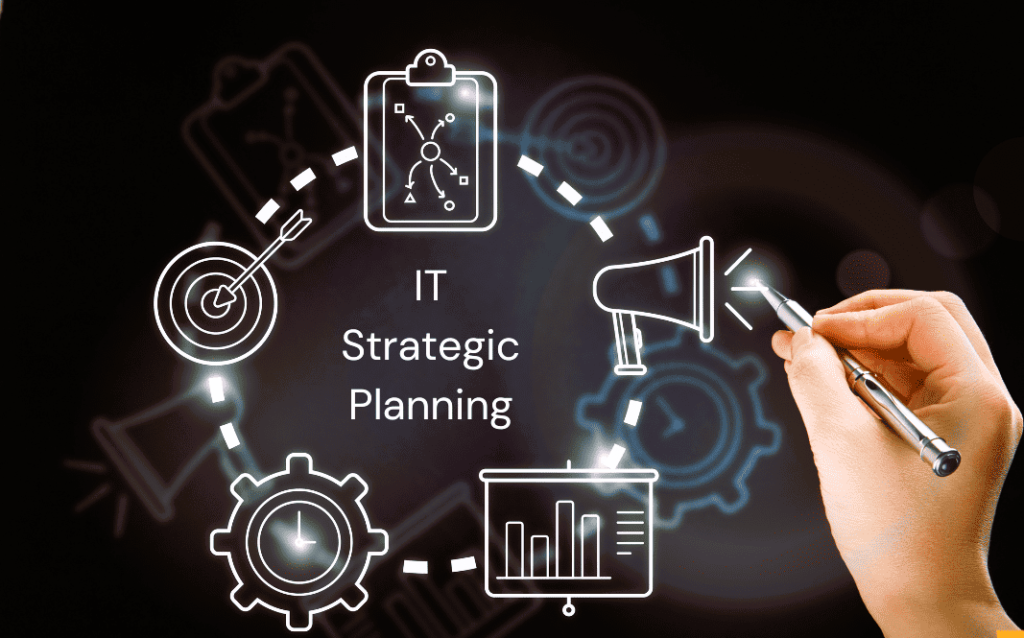
In many organizations, technology decisions begin with a tool demo, a vendor pitch, or a recommendation from a peer. While this approach feels efficient, it often leads to fragmented systems, wasted budgets, and low adoption. Technology planning should always come before tool purchasing because tools are only effective when they support a clearly defined operational and strategic framework.
Buying software without a plan is like buying machinery without understanding the production process. The result is misalignment, inefficiency, and constant rework.
The Hidden Cost of Tool-First Decisions
When tools are purchased in isolation, they rarely solve the core business problem they were meant to address. Instead, they introduce new layers of complexity.
Common consequences include:
-
Overlapping functionality across multiple platforms
-
Low user adoption due to unclear workflows
-
Integration challenges that slow down operations
-
Rising costs from unused licenses and add-ons
These issues are not caused by bad tools. They are caused by the absence of planning.
Technology Planning Clarifies Business Needs
Effective technology planning starts with understanding how the business operates today and how it intends to scale.
A strong planning process answers key questions such as:
-
Which processes are critical to performance?
-
Where do delays, errors, or manual effort occur?
-
What data is required for better decisions?
-
Which teams need to collaborate more closely?
By defining these needs first, organizations avoid buying tools that look impressive but fail to deliver measurable value.
Planning Separates Problems From Solutions
Without planning, tools often become the solution to poorly defined problems. This creates dependency on features rather than outcomes.
Technology planning helps teams:
-
Define the problem clearly before evaluating options
-
Set success criteria based on results, not features
-
Avoid unnecessary customization
-
Choose flexible solutions that adapt over time
This shift ensures that tools support workflows instead of forcing teams to change how they work just to fit the software.
Better Planning Leads to Smarter Budget Allocation
Technology budgets are finite, and poor purchasing decisions can lock organizations into long-term costs with limited returns.
Planning enables leaders to:
-
Prioritize investments with the highest operational impact
-
Phase purchases based on readiness and growth
-
Reduce spending on redundant or underused tools
-
Forecast future technology needs with more accuracy
As a result, spending becomes intentional rather than reactive.
Tool Compatibility Depends on Planning
Modern businesses rely on interconnected systems. Without planning, new tools often fail to integrate smoothly with existing infrastructure.
A technology plan evaluates:
-
Data flow between systems
-
Security and compliance requirements
-
Scalability under increased usage
-
Long-term vendor viability
This reduces the risk of creating isolated systems that limit visibility and efficiency.
Planning Improves Adoption and Accountability
Even the best tools fail if teams do not understand why they exist or how to use them effectively.
Technology planning:
-
Aligns tools with real workflows
-
Sets clear ownership and governance
-
Defines training and rollout expectations
-
Measures success through business outcomes
When employees see how a tool fits into a broader plan, adoption becomes more natural and consistent.
Technology Should Enable Strategy, Not Dictate It
Tool-led decisions often shape processes in unintended ways. Planning ensures that technology serves the organization’s strategy rather than influencing it.
With a plan in place:
-
Processes are designed first
-
Technology reinforces decision-making
-
Growth does not require constant system replacement
This approach creates a stable foundation that supports long-term performance.
FAQ
Why do businesses often buy tools without planning?
Because vendor demos and peer recommendations feel faster than conducting internal analysis, even though they create long-term inefficiencies.
Can small businesses benefit from technology planning?
Yes. Planning helps small teams avoid unnecessary spending and choose tools that scale with growth.
Is technology planning only an IT responsibility?
No. It requires input from operations, finance, leadership, and end users to reflect real business needs.
How detailed should a technology plan be before buying tools?
It should clearly define processes, goals, constraints, and success metrics without becoming overly technical.
Does planning slow down digital transformation?
Planning actually accelerates transformation by reducing rework, tool churn, and adoption issues.
How often should technology plans be revisited?
Plans should be reviewed regularly, especially during periods of growth, restructuring, or market change.
What is the biggest risk of skipping technology planning?
The biggest risk is building a technology stack that increases complexity instead of improving performance.